



Key Points
- The average cost to install double-pane windows is about $1,000 per window, including labor, though simple retrofits can cost significantly less.
- Window style and frame material are the two biggest price drivers — a basic single-hung vinyl window and a custom bay window differ significantly.
- Replacing multiple windows at once almost always means you get a discount from contractors.
- Retrofit (insert) installation costs 15–20% less than full-frame replacement, but full-frame is the right choice when frames are rotting or damaged.
- ENERGY STAR-certified double-pane windows can qualify for a 30% federal tax credit, up to $600. This credit applied to windows installed through December 31, 2025. Homeowners who installed qualifying windows in 2025 could still claim it on their 2025 tax return. Unless new legislation extends it, the credit is no longer available for windows installed after that date.
Factors That Affect Double-Pane Window Cost
There is no fixed cost for double-pane window replacement. The quote you receive from a contractor depends on a combination of factors. Let’s consider each one.
Window Size: The Bigger the Glass, the Bigger the Bill
Size is another major cost factor. Larger windows require more glass, wider frames, heavier hardware, and more labor time. If you want to estimate the cost of double-pane windows per square foot, the industry average is currently between $75 and $110 for materials and basic labor.
Pane thickness also matters. Standard thickness is typically ½ inch to 1 inch. If you are only replacing the glass unit (not the frame), the new unit must match the existing thickness exactly. Otherwise, you'll need frame modifications that add to the bill.
Number of Windows: More Units, Lower Price Per Double-Pane Window
The more windows you replace at once, the less you pay per unit. Contractors spend nearly the same amount of time on preparation work, permitting, travel, and cleanup, no matter how many windows they're installing. If you install many units at once, most window companies will offer discounts.
Replacing 10 windows in one visit, for example, can reduce the per-window cost by 10–15% compared to doing them one at a time. If several windows in your home are aging, it almost always makes financial sense to schedule them together rather than one by one.
Window Style: A Major Driver of Your Total Cost
Window style is one of the largest variables in your cost estimate for double-pane windows. More complex windows require specialized manufacturing, more glass, and more installation skill — all of which increase the final price.
| Window Style | Typical Installed Cost |
|---|---|
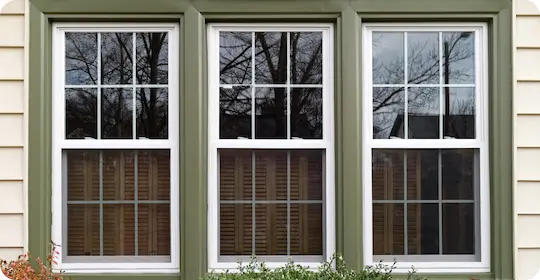
| Single-hung | $300–$850 |
| Double-hung | $430–$915 |
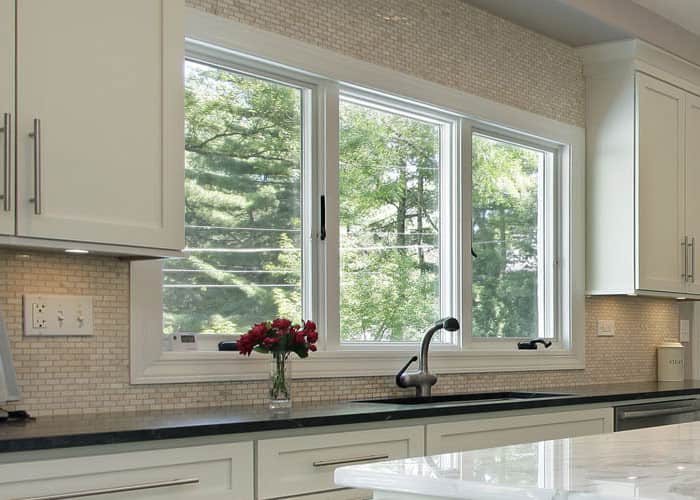
| Casement | $550–$1,200 |
| Sliding | $400–$900 |
| Picture | $600–$1,900 |
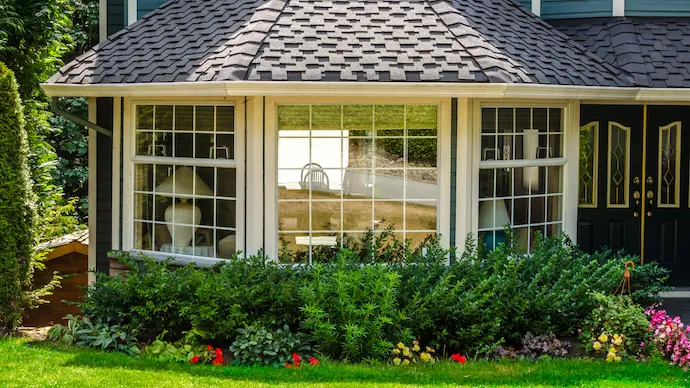
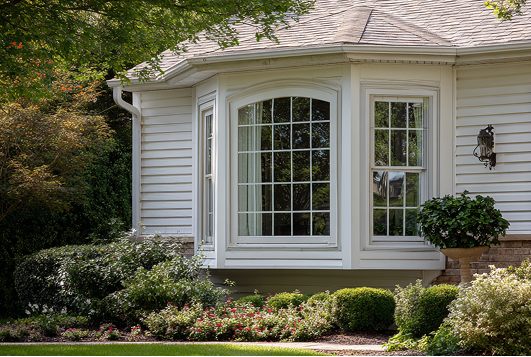
| Bay/Bow | $1,700–$3,900+ |
Custom windows or windows with unique shapes can range from $500 to several thousand dollars for materials alone. If you're aiming to manage costs, single-hung or picture windows with standard dimensions are your most affordable options.
Frame Material: The Decision That Affects Decades of Performance
Frame material affects both your upfront price of double-pane windows and your long-term energy savings. The five main materials each make sense in different homes:
| Frame Material | Average Cost Per Window (Installed) | Best For |
|---|---|---|
| Aluminum | $300–$500 | Mild climates, tight budgets |
| Vinyl | $300–$800 | Most homes, best value overall |
| Composite | $400–$900 | Mixed climates, balanced performance |
| Wood | $500–$1,200 | Historic homes, premium aesthetics |
| Fiberglass | $500–$1,500 | Extreme climates, maximum durability |
Vinyl is the most popular choice in the US. It doesn’t require maintenance, is energy-efficient, and the corners are weld-fused rather than screwed or caulked. Fiberglass is the top choice in cold or extreme climates and can last 30–50 years, or more in ideal conditions, but costs more upfront. Aluminum is affordable and low-maintenance, but it performs poorly in cold climates as it conducts heat.
Glass Type: Where Small Upgrades Deliver Big Payoffs
Double-pane means two sheets of glass with a sealed space between them. But the type of glass and what fills that gap can affect performance and cost to install a double-pane window.
For most homeowners, double-pane with Low-E coating and argon fill is the best combination of performance and affordability.
Window Brand: The Brand Premium Is Real
Brand names like Andersen, Pella, and Marvin are more expensive, but they bring better warranties, tighter tolerances, and proven durability. Budget brands can save you a few hundred dollars per window, but may carry shorter warranty terms and lower-quality seals. When comparing brands, focus on three things: U-factor (lower is better), warranty length, and whether the window carries an ENERGY STAR certification for your climate zone.
Labor and Installation: What You're Really Paying Contractors For
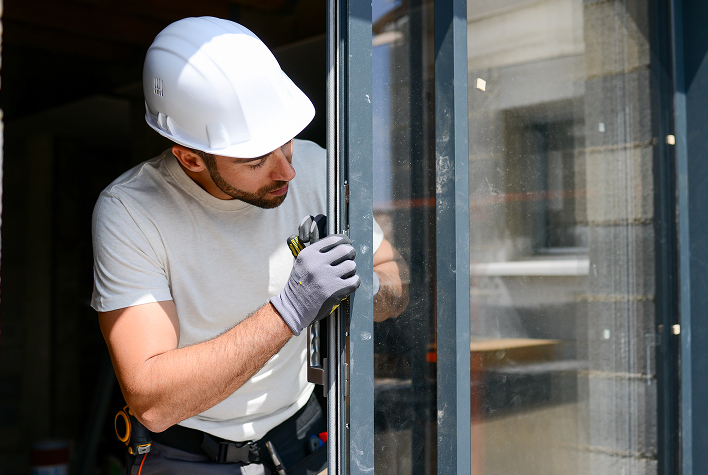
Labor typically is $70–$300 per window, depending on the complexity of the job, the window's location (ground floor vs. second story), and your region. Second-floor or hard-to-reach windows can add $50–$200 per window for the equipment and safety measures involved.
Labor costs increase when the job includes structural surprises — rot, damaged sills, or non-standard opening sizes. Always ask your contractor whether their quote includes removal of old windows, disposal fees, trim work, sealing, and cleanup.
DIY vs. Professional Installation: An Honest Comparison
The idea of skipping labor costs is attractive, but window installation is harder than it looks. A poorly installed window will leak air and water, void the manufacturer's warranty, and possibly fail to meet local building codes.
Here are some common risks of DIY installation:
When DIY can work: If you're a skilled DIYer, you may be able to replace a single, standard-sized insert window yourself. But for full-frame replacements, large windows, or any multi-story work, professional installation is strongly recommended.
Professional contractors also bring professional-grade tools, access to trade pricing on materials, and the experience to spot structural issues before they become expensive repairs.
Retrofit vs. Full-Frame Replacement: Which Route Makes Sense for Your Home?
This is one of the most important decisions in any window replacement project, and many homeowners don't realize they have a choice. Understanding the difference can save you thousands.
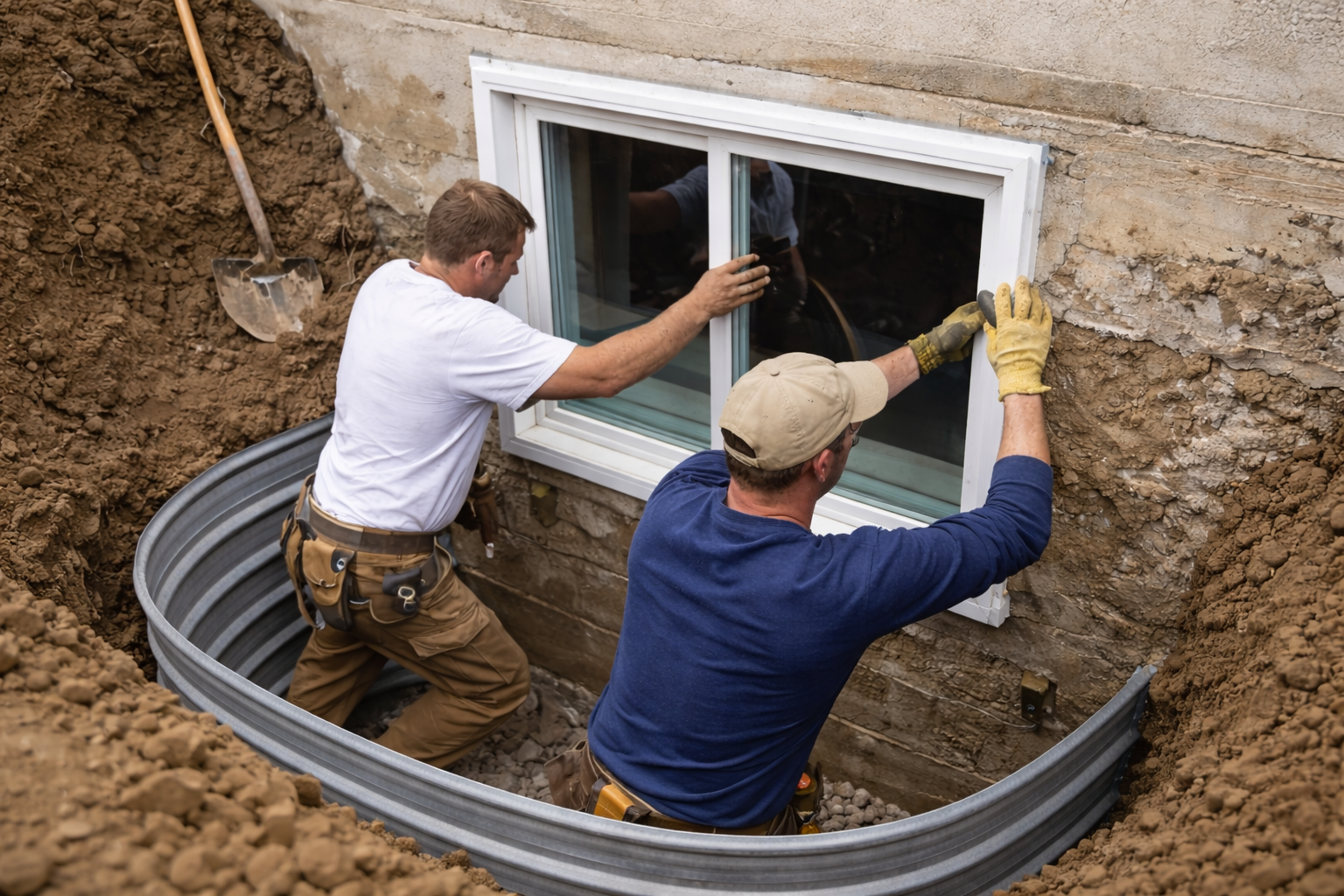
Retrofit (insert) installation involves fitting new window sashes and glass into your existing frames, leaving the exterior trim and siding intact. The frame must be in good structural condition — no rot, no moisture damage — for this to be a viable option.
Full-frame replacement involves removing everything — glass, sash, and frame — right down to the rough opening in the wall. This is more disruptive but allows you to address any hidden damage and install the highest-performing windows possible.
The rule of thumb: If your frames are solid, choose retrofit and save 15–20% on the project. If there's any sign of rot, moisture damage, or if you're making a significant performance upgrade from single-pane windows, invest in full-frame replacement. A good contractor will inspect your frames before recommending either option.
Why It's Worth It: The Real Benefits of Double-Pane Window Replacement
Before signing a contract, many homeowners wonder whether this investment will pay off. The answer depends on your current windows and energy costs.
Energy-Efficient Double-Pane Windows: How Much Can You Really Save?
The U.S. Department of Energy estimates that replacing single-pane windows with double-pane models saves homeowners $126 to $465 per year in energy costs. A 2025 survey of 1,000 homeowners by This Old House found that over 89% reported saving between $25 and $50 per month on utility bills after replacing their windows. ENERGY STAR-certified models save up to 13% more energy than non-certified double-pane windows, and significantly more compared to single-pane models.
Beyond energy savings, double-pane windows deliver:
Smart Ways to Save Money on Double-Pane Window Installation
Frequently Asked Questions
How Long Do Double-Pane Windows Typically Last?
Quality double-pane windows typically last 15–25 years with proper maintenance. The glass itself can outlast the seal — and a failed seal (indicated by fogging or condensation between the panes) is usually what signals replacement. Regular inspection, cleaning, and hardware lubrication can extend the lifespan of your windows.
Can I Repair Double-Pane Windows?
Yes, in some cases. If the seal has broken, a professional can replace the entire Insulated Glass Unit (IGU) while leaving your existing window frame in place. You cannot simply clean between the panes. This is less expensive than a full replacement. However, if the frame is damaged or the glass itself is cracked, replacement is usually the better path. Do not attempt seal repair yourself — improper sealing will create the same problem again, sooner.
Is It Worth Replacing Double-Pane Windows?
For most homeowners, yes. The combination of energy savings, noise reduction, improved comfort, and increased home value makes double-pane window replacement a strong investment — particularly if you currently have single-pane windows, foggy glass, or drafty frames. If your current double-pane windows are sealed and performing well, a professional energy audit can tell you whether your windows are actually contributing to energy loss before you spend money.
What Is the Cheapest Type of Double-Pane Window?
The most affordable combination is a small single-hung or hopper window with a vinyl or aluminum frame, using standard double-pane glass without specialty coatings. The cost to install double-pane windows typically starts around $300 per window. On the main floor of most homes, a vinyl single-hung window is the go-to budget option. Hopper windows (common in basements) are technically even less expensive but aren't practical for most above-grade applications.
Conclusion
The cost to replace a double-pane window depends on your choices. To get the best value, match your frame material and glass upgrades to your climate, replace multiple windows at once when possible, go with retrofit window replacement unless your frames are damaged, and always claim available tax credits. Done right, new double-pane windows typically pay for themselves through energy savings within a decade and deliver comfort and quiet for years beyond that.
The smartest first step is getting quotes from qualified local contractors who can physically inspect your windows and frames. HomeBuddy connects homeowners with pre-screened, verified window installation professionals in your area — so you get accurate pricing and peace of mind that the job will be done right.