






Key Points
- The wrought iron fence cost typically ranges from $25 to $70 per linear foot.
- Most homeowners spend $2,500 to $8,000+ for a full installation, depending on size and design.
- Taller fences, custom designs, and gates will increase the overall cost.
How Much Does a Wrought Iron Fence Cost?
Wrought iron fences are usually priced per linear foot, but size isn’t the only factor. Design, height, and installation conditions can all affect the final cost.
Total Project Cost for an Average Yard
| Yard Size (Linear Feet) | Estimated Total Cost | What to Expect |
|---|---|---|
| 100 - 150 ft | $2,500 - $5,000 | Small yard, simple layout |
| 150 - 250 ft | $4,000 - $10,000 | Medium yard, standard setup |
| 250+ ft | $8,000 - $15,000+ | Large property, more labor/materials |
Larger projects cost more mainly due to increased materials and labor, especially if the layout includes corners, slopes, or gates.
Cost Differences by Fence Height
| Fence Height | Cost per Linear Foot | Typical Use |
|---|---|---|
| 3 - 4 feet | $25 - $40 | Decorative boundaries |
| 5 - 6 feet | $35 - $55 | Standard residential fencing |
| 6+ feet | $50 - $70+ | Privacy and security |
Taller fences cost more because they require additional materials, stronger posts, and more labor during installation. Even a 1-2 foot increase in height can noticeably raise your total project cost.
Factors That Affect Wrought Iron Fence Costs
The price of a wrought iron fence can vary a lot from one project to another. Even small changes in design or installation can noticeably affect the cost to install a wrought iron fence.
Wrought Iron Fence Installation
Installing a wrought iron fence isn’t just about putting panels in the ground. Good installation affects how stable it is, how long it lasts, and whether you’ll face issues like leaning or rust.
A poor installation can also increase the cost later due to repairs.
-
Key Steps for Fence Installation
While this sounds straightforward, precision matters. Even small alignment errors early on can affect the entire fence line.
Maintenance and Long-Term Care
A wrought iron fence is durable, but it still needs some upkeep. Regular maintenance helps prevent costly repairs and keeps you from replacing parts sooner than expected.
-
Regular Maintenance Needs
Basic upkeep is simple but important. This includes:
Small issues like chipped paint may seem minor, but they can quickly lead to rust if ignored.
-
Preventing Rust and Damage
Rust is the biggest long-term concern with wrought iron fences. The key is catching it early.
If you notice rust spots:
Moisture-heavy areas or regions with frequent rain may require more frequent inspections.
Pro tip: Keeping vegetation away from the fence can help you prevent moisture buildup and hidden damage.
Final Thoughts
A wrought iron fence is a long-term investment that adds both style and durability to your property. Most projects fall between $2,500 and $8,000+, but the final cost depends on your yard size, fence height, and design choices.
Using a wrought iron fence cost estimator can help you plan more accurately by comparing price per linear foot, design, and labor costs.
If you’re ready to move forward, HomeBuddy can connect you with local professionals so you can easily compare options and choose what fits your budget best.
Frequently Asked Questions
What Is a Wrought Iron Fence?
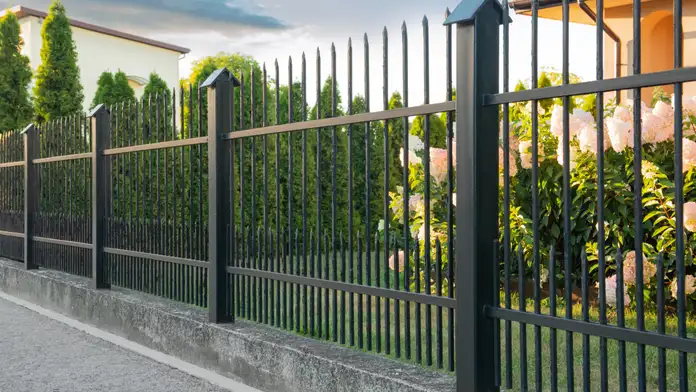
A wrought iron fence is a metal fence with vertical bars and decorative details. It’s strong, long-lasting, and has that classic look people like. Older wrought iron was made by hand, but most fences today are actually steel made to look the same, so you get a similar style without the high cost.
Can I Install a Wrought Iron Fence Myself?
You can install a wrought iron fence yourself, but it’s not as simple as it sounds. You’ll need to measure carefully, dig deep holes, set the posts in concrete, and keep everything level. Even small mistakes can leave you with a crooked or unstable fence.
DIY can save money, but for larger areas, uneven ground, or custom designs, it’s usually better to hire a professional and avoid fixing mistakes later.
Do I Need Special Tools for Installation?
You’ll need some basic tools, such as a post hole digger (or auger), a level, a measuring tape, concrete, and a drill. Don’t forget safety gear.
If you’re working on concrete, you might also need a masonry drill. For simple setups, that’s usually enough, but more complicated installs often need extra tools, which is why many people leave it to a pro.