


Key Points
- Most reverse osmosis systems cost between $150 and $4,800+, depending on the type and size.
- Under-sink systems are the most affordable, while whole-house systems are the most expensive.
- Installation can add $100 to $1,000+, depending on complexity and plumbing setup.
- Ongoing costs include filter and membrane replacements, typically $100 to $300 per year.
Average Cost of Reverse Osmosis Systems
A reverse osmosis system can cost anywhere from about $150 to $4,800+, but what you actually pay depends on how much water you want to filter and how the system is set up.
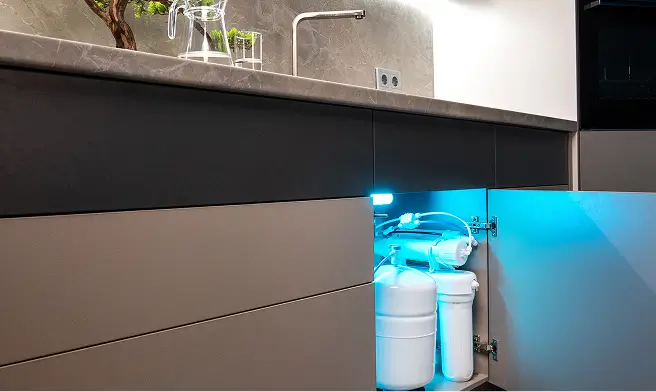
For most homes, a basic under-sink unit for drinking water usually costs between $200 and $800.
If you’re looking for something with higher output or want to filter more than just one tap, the price can climb to $1,000 or more. Whole-house systems are a bigger investment and can easily go past $3,000, especially with installation.
The right choice depends on usage, not just budget, which is exactly what the next section breaks down.
Key Factors That Affect Reverse Osmosis System Costs
The cost of a reverse osmosis system can shift quite a bit depending on what you actually need. These factors don’t just affect the price — they also determine whether you are overspending or choosing a system that fits your home.

Installation Costs: What to Expect
| Installation Type | Average Cost | What’s Included |
|---|---|---|
| Simple under-sink install | $100 - $300 | Basic connection to existing plumbing |
| Moderate setup | $300 - $600 | Minor adjustments or added components |
| Complex/whole-house | $600 - $1,000+ | Extensive plumbing work, multiple connections |
Installation can be pretty cheap, or it can add up fast. Most people end up paying anywhere from $100 to $1,000+, depending on how simple the job is.
If everything under your sink is easy to work with, it’s usually a quick install and won’t cost much. But if changes need to be made to the pipes, or you’re setting up something bigger for the whole house, that’s when the price starts going up.


Ongoing Costs and Maintenance Expenses
Buying the system is just the starting cost - keeping it running is where the ongoing spend comes in, and a lot of people don’t really think about that part.
In most cases, you’ll be spending around $100 to $300 a year to keep everything working the way it should.
Filter and Membrane Replacement
Reverse osmosis systems use different filters, and each one plays a specific role. Knowing what they do makes it easier to understand why replacements are necessary.

Routine Maintenance
Beyond filters, maintenance is mostly about keeping the system in good shape - checking for leaks, making sure pressure is stable, and cleaning parts if needed.
Most homeowners handle this themselves, but occasional professional servicing can help catch issues early.
| Maintenance Item | Frequency | Average Cost |
|---|---|---|
| Pre-filters | Every 6-12 months | $30 - $100 |
| Carbon filters | Every 6-12 months | $50 - $150 |
| RO membrane | Every 2-3 years | $100 - $300 |
| General servicing | As needed | $75 - $200 |
Energy and Water Usage Costs
Energy use is minimal, so it doesn’t add much to your bill. Water usage is more important - some systems waste more water during filtration than others.
That’s why choosing a more efficient system upfront can slightly reduce long-term water costs.
Additional Costs and Optional Features
Beyond the system and installation, there are a few extra costs that can increase your total spend.

Reverse Osmosis vs Other Water Filtration Systems
Reverse osmosis isn’t the only way to filter your water, and sometimes it’s not even the most practical choice. Looking at other options can help you see what you’re actually paying for and whether it makes sense for your home.
Cost Comparison
Different filtration systems vary in both upfront cost and what they actually remove from your water.
| Filtration Type | Average Cost | Contaminants Removed |
|---|---|---|
| Reverse Osmosis | $150 - $4,800+ | Heavy metals, salts, chemicals, more |
| Carbon Filters | $50 - $500 | Chlorine, taste, odor |
| UV Purifiers | $100 - $1,000 | Bacteria and viruses |
| Water Softeners | $500 - $3,000+ | Hard minerals (calcium, magnesium) |
Although reverse osmosis is the most thorough, it is also one of the more expensive options.
Performance Differences
Each system solves a different problem.

Many homeowners combine systems instead of relying on just one.
Long-Term Value
Reverse osmosis systems usually cost more upfront and require ongoing maintenance, but they provide a higher level of purification.
Cheaper systems may improve taste or target specific issues, but they don’t offer the same level of filtration.
If your water quality is a concern beyond taste or odor, reverse osmosis often provides better long-term value despite the higher cost.
Is a Reverse Osmosis System Worth the Cost?
In most cases, yes, but only if you actually need that level of filtration.
If your water has issues beyond taste, like contaminants, high mineral content, or safety concerns, a reverse osmosis system is worth the cost. It removes far more than basic filters and gives you consistently clean drinking water.
If your water is already safe and you just want better taste, a cheaper system will usually do the job. Paying for reverse osmosis in that case doesn’t add much value.
From a cost standpoint:
- $300-$800 systems = enough for most households (drinking + cooking)
- $1,000+ systems = only make sense if you need higher output or wider coverage
Ongoing costs are manageable, but you do need to replace filters regularly to keep it working properly.
How to Save Money on a Reverse Osmosis System?
Saving money comes down to avoiding things you don’t actually need. Most overspending happens when people choose bigger systems or extra features without a clear reason.

Selecting the Most Suitable Reverse Osmosis System for Your Home
Choosing the right system is really about matching it to your actual usage. Most people either overbuy or pick the wrong type for their needs.
If you only need filtered water for drinking and cooking, a basic under-sink system is enough. It’s affordable, easy to maintain, and covers what most households actually use.
When water concerns affect more than one tap or keep coming back, opting for a larger system can make more sense. But that comes with a much higher cost.
What to Consider Before Choosing
Conclusion
A reverse osmosis system can cost anywhere from $150 to $4,800+, depending on the type, installation, and features you choose. For most homes, a simple system in the $300 to $800 range is enough for clean drinking water without overspending.
If you’re unsure what system fits your home or want accurate pricing, it helps to compare options from professionals in your area. You can explore reverse osmosis system installation near you via HomeBuddy to get quotes and find the right setup without overpaying.
Frequently Asked Questions
How long does a reverse osmosis system last?
A reverse osmosis system usually lasts 10 to 15 years. However, parts of the system need regular replacement: filters every 6-12 months and the membrane every 2-3 years. If you keep up with this maintenance, the system will last longer.
Will a reverse osmosis system make your water bill higher?
A reverse osmosis system can slightly increase your water bill because it wastes some water during filtration. Most systems use 2 to 4 gallons of water to produce 1 gallon of filtered water, but the actual cost increase is usually small for typical household use.
What are the disadvantages of reverse osmosis systems?
A reverse osmosis system can waste water, requires regular filter replacements, and may reduce water pressure if the system isn’t sized properly. It also removes beneficial minerals along with contaminants, which some people address by adding a remineralization filter.
Does reverse osmosis really purify water?
Yes, reverse osmosis effectively purifies water by removing dissolved salts, heavy metals, chemicals, and many other contaminants. It uses a semi-permeable membrane to filter out particles that most standard filters can’t, making it one of the most thorough filtration methods available for home use.
What types of reverse osmosis systems can you install?
Reverse osmosis systems come in three main types: countertop, under-sink, and whole-house systems. Countertop units are portable and easy to install, under-sink systems are the most common for drinking water, and whole-house systems treat water for the entire home but cost significantly more.
What’s the maintenance cost of a reverse osmosis system?
Maintenance for a reverse osmosis system typically costs around $100 to $300 per year. This mainly covers replacing filters every 6-12 months and the membrane every 2-3 years, which are necessary to keep the system working properly.
