Repairing your roof is one of the most important investments you can make to protect your home. From fixing leaks and replacing damaged shingles to addressing structural or storm-related issues, regular maintenance ensures safety and long-term durability.
The total cost depends on the roof’s size, materials, and the extent of the damage. On average, homeowners spend between:
One fixed upper sash and a movable lower sash. Typically, more affordable and simpler in design.
$300-$500
Double-Hung
Both upper and lower sashes are movable, allowing for better airflow and easy cleaning
$400-$850
Service
Professional Required?
Time Required?
When To Get It Done?
Cost Range
Cabinet Repair
Not Always
1-3 Days
When cabinets are structurally sound but damaged
$300-$500
Cabinet Refacing
Yes
3-5 Days
When cabinets are structurally sound but damaged
$1,350-$12,500
Cost: Higher upfront cost due to labor charges. Includes warranty and insurance.
Expertise & Skill: Professional roofers have years of experience and specialized skills in handling and installing cedar shakes, ensuring correct shingle alignment and spacing, flashing and waterproofing details, roof ventilation, and adhering to building codes.
Tools & Equipment: Contractors bring all necessary tools, including scaffolding, nail guns, safety harnesses, and ladders. No extra costs for equipment rental or purchase.
Safety: Trained in safety procedures to minimize risks: working at heights, handling power tools, and using safety equipment.
Warranty: Most professional roofers offer warranties on their workmanship (typically 1–5 years) and may also offer manufacturer warranties on materials.
Time: Faster completion time due to experience and efficient teamwork. A typical roof can be completed in a few days.
Insurance & Liability: Contractors are insured, protecting homeowners from liability if workers are injured during installation
Reduces the risk of costly damages due to incorrect installation.
Building Code Compliance: Contractors ensure the roof meets local building codes and passes inspections, helping avoid fines or issues during resale.
test test
Concrete: $8 – $20 per square foot
Pavers: $15 – $30 per square foot
Natural stone: $20 – $50 per square foot
Get Free Quotes
Request quotes from multiple contractors to compare prices and services.
Read Reviews
See what other homeowners in your area have experienced with different contractors.
Schedule Appointments
Easily schedule consultations with shortlisted contractors directly through HomeBuddy.
step 1
Visit Homebuddy
step 2
Fill in a short form with simple questions in 1-3 minutes and match you withh a great walk-in shower contractor
step 3
Get your personalized estimate and then decide if it's right for you!
Key Points
Roof repair costs can vary widely, typically ranging between $16,000 and $64,000, depending on the extent of the damage and the materials used.
Larger homes or complex roof designs naturally fall on the higher end of this range.
The final cost depends on several factors, including the type of repair, roof size and slope, location, accessibility, and roofing material.
Additional elements such as underlayment replacement, flashing repairs, or structural reinforcements can also impact the total price.
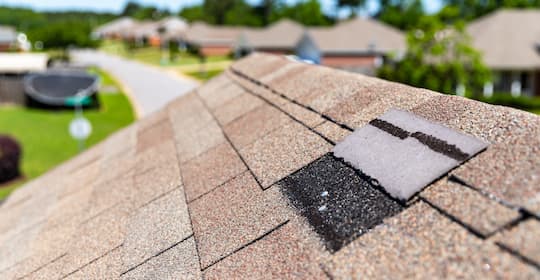
Common signs that your roof needs repair include missing or cracked shingles, leaks, sagging areas, mold or moss growth, and visible water stains on ceilings or walls.
Knowing the average roof repair cost can help you budget better and steer clear of unexpected expenses. Here’s a detailed overview of what to expect when fixing your roof.
Type of Repair Type of Repair Type of Repair Type of Repair
The type of repair significantly affects the cost to fix a roof. Here’s how:
Minor Repairs
Minor repairs, such as fixing small leaks or replacing a few shingles, tend to be more affordable, typically ranging from $150 to $1,500. These repairs are often quick and can be completed within a few hours.
Moderate Repairs
Moderate repairs are more complex than minor fixes, as they tackle issues that impact the roof's performance. These repairs typically cost between $1,500 and $3,000 due to the added time and effort involved.
Major Repairs
Major repairs typically range from $3,000 to $10,000 and are much more complex than minor fixes. They often involve substantial labor and materials, which can significantly increase the overall cost.
Replacement
Roof replacement involves removing all existing roofing materials down to the decking and installing a new roof. It's necessary for extensive damage or when the roof's lifespan ends.
Roof replacements can cost anywhere from $16,000 to $64,000, depending on the size, complexity, and materials. However, most homeowners typically spend around $32,000 for a full replacement.
The type of roofing material greatly impacts the repair cost, as prices, installation difficulty, and durability vary for each material.
Roof Material TypeAverage Repair Cost
Asphalt Shingles$875
Metal Roof$1,580
Composite Shingle Roof$900
Tar and Gravel Roof$300 - $1,000
Rubber or PVC Roof$400 - $1,200
Slate Roof$1,625
Wood Shakes$750
Tile Roof$1,350
Asphalt Shingles
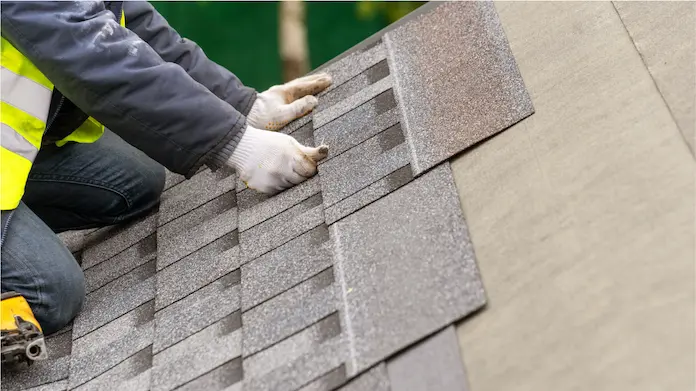
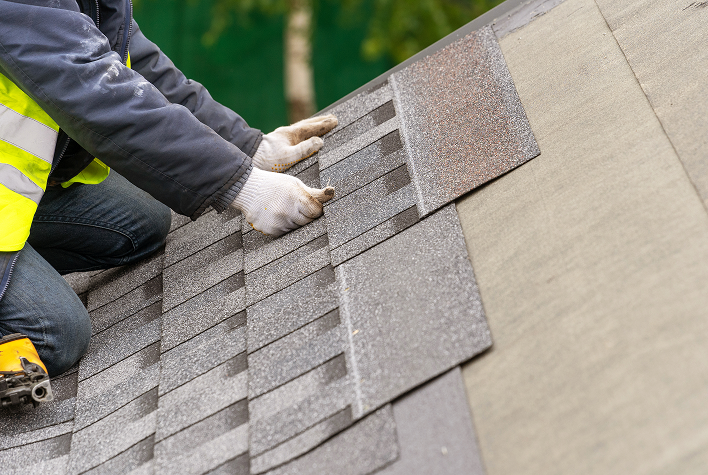
Asphalt shingles are the most common and affordable roofing material, known for their versatility and ease of installation. They are relatively simple to repair since individual shingles can be replaced without much hassle.
The cost of repairing asphalt shingles is typically around $875, making them a budget-friendly option.
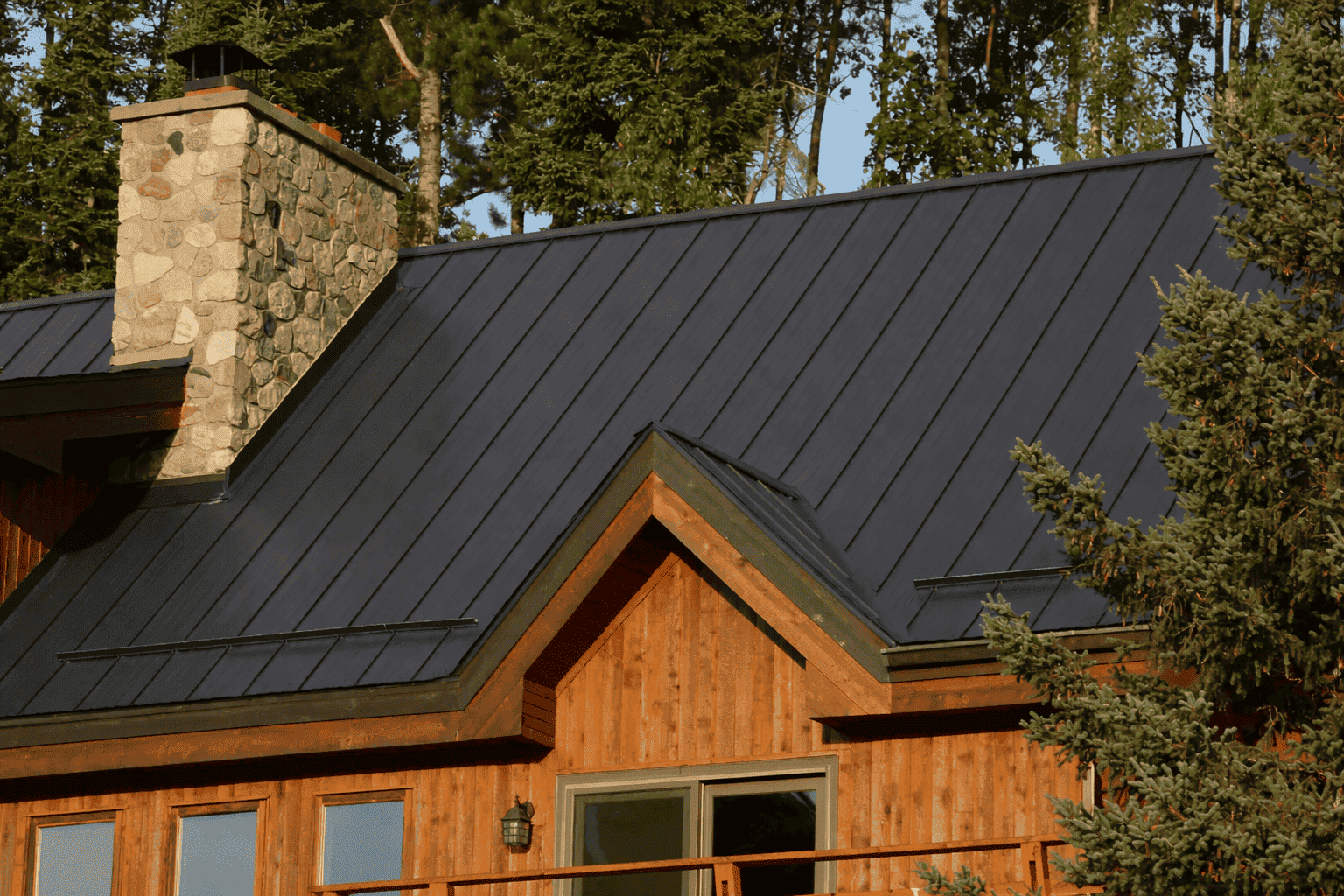
Metal Roof
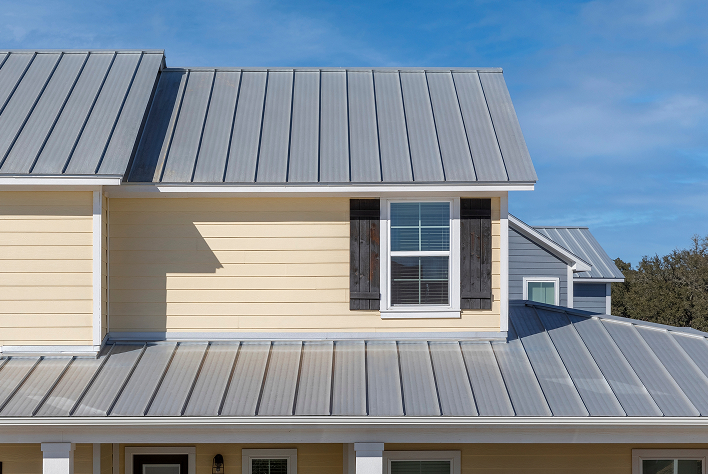
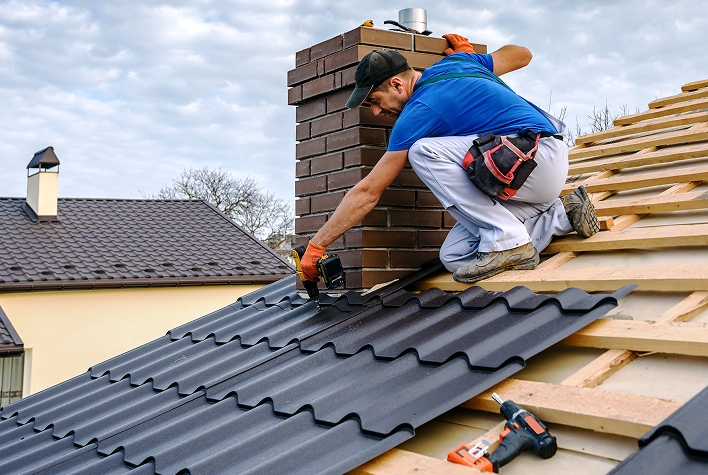
Metal roofs are known for their durability and weather resistance and come in many styles.
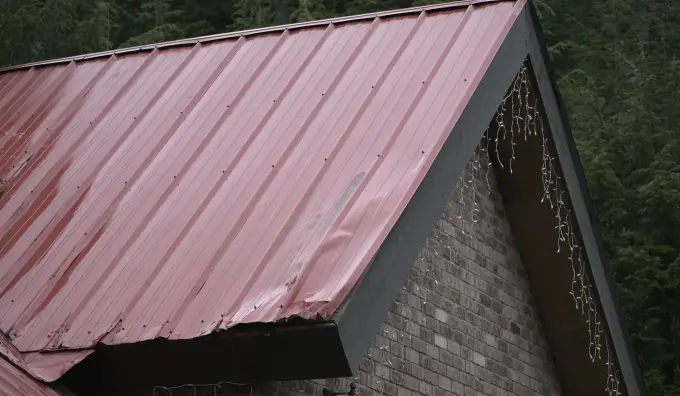
While they have a long lifespan, repairs can be challenging and often need specialized labor, especially for dents, leaks, or rust. On average, metal roof repairs cost about $1,580, depending on the damage.
Composite Shingle Roof
Composite shingles are a durable, lightweight roofing option and an attractive alternative to asphalt shingles. Repairing them usually involves matching the existing material, with costs typically averaging around $900.
Tar and Gravel Roof
These roofs are made of tar paper and hot tar layers, topped with gravel. Repairs may involve resealing or patching the surface, with costs typically ranging from $300 to $1,000, depending on the severity of the problem.
Rubber or PVC Roof
Commonly used for flat roofs, rubber (EPDM) and PVC materials are durable and flexible. While they are relatively easy to patch, more extensive repairs might require replacing sections of the roofing material.
Repair costs for rubber or PVC roofs usually range from $400 to $1,200, depending on the extent of the damage and the material used.
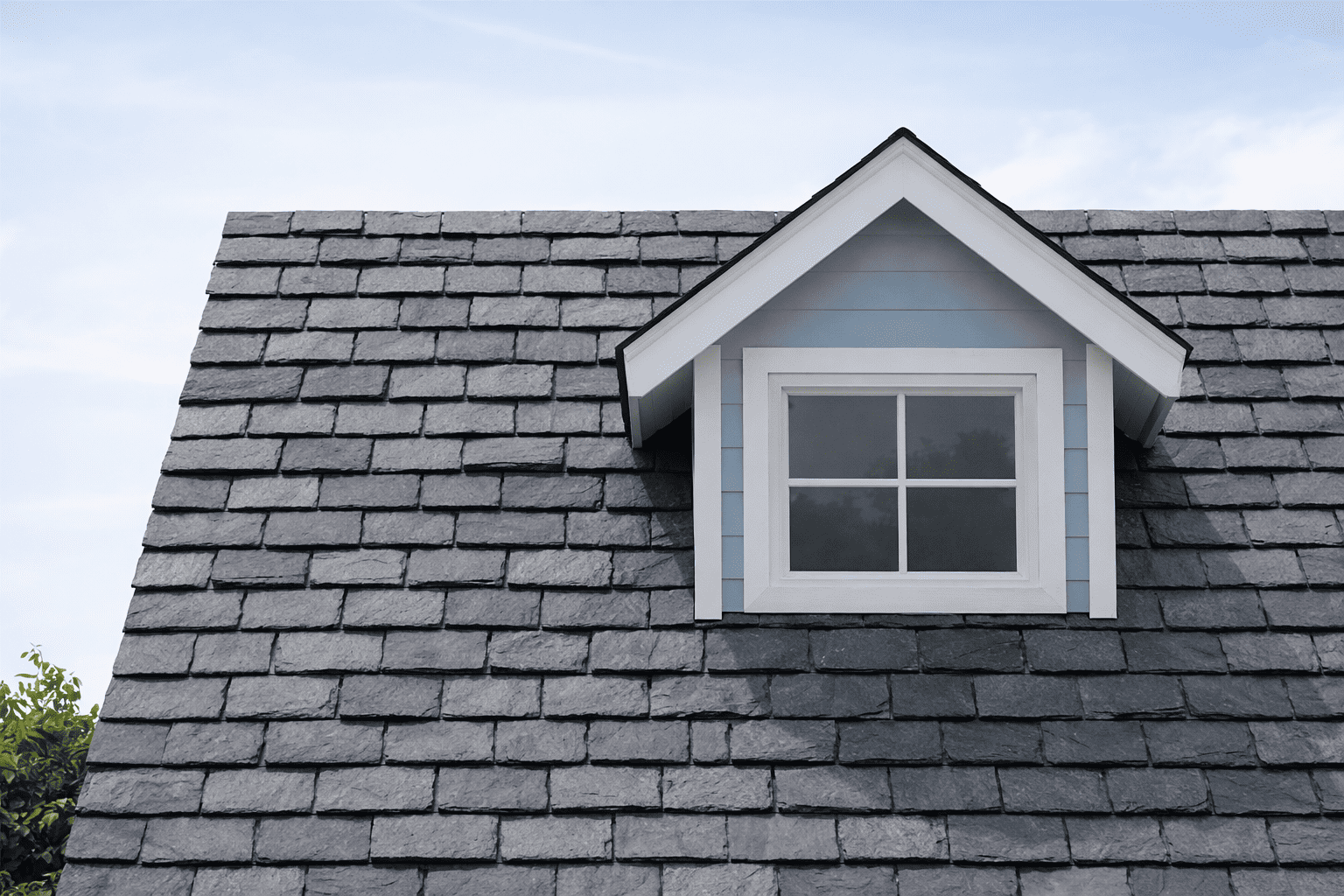
Slate Roof
Because of its weight and fragility, repairing a slate roof requires skilled labor to prevent additional damage. Repair costs can be quite high, averaging up to $1,625.
Wood Shakes
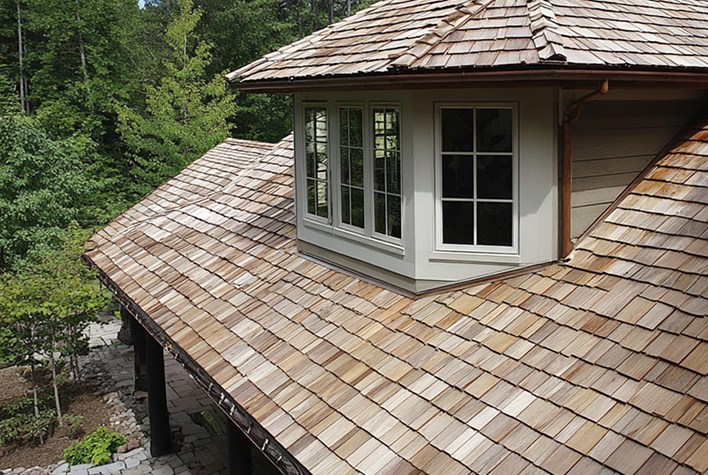
Wood shakes are prone to rot and weather damage, with repairs requiring careful wood matching and addressing potential issues like mold.
The cost to repair wooden shakes or shingles typically averages around $750, depending on the wood type and damage extent.
Tile Roof
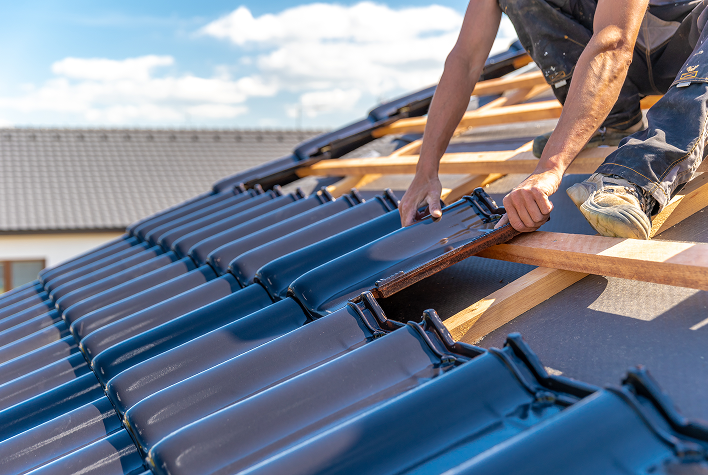
Tile roofs, whether clay or concrete, are known for their durability and fire resistance. While they can last for decades, individual tiles are susceptible to cracking.
Repairs can be tricky and require careful tile handling. The cost usually averages around $1,350, depending on the complexity and type of tile.
Roof size significantly affects repair costs since larger roofs need more materials (shingles, underlayment) and labor. Bigger roofs take longer to fix, which increases labor expenses.
In short, the larger the roof, the more materials, labor, and effort required, driving up the overall repair costs.
Pitch/Design
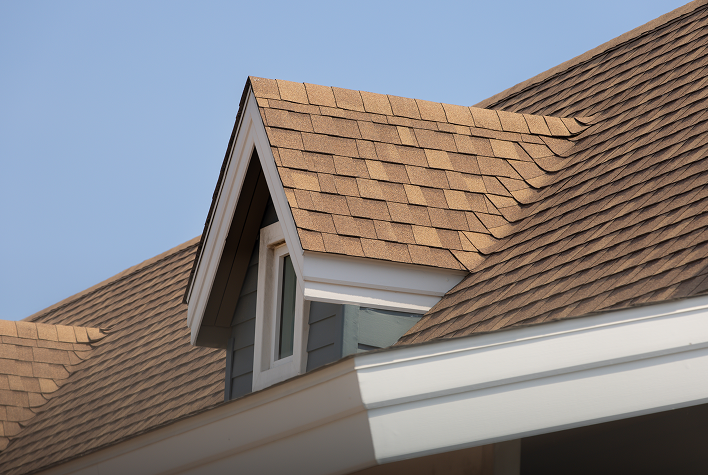
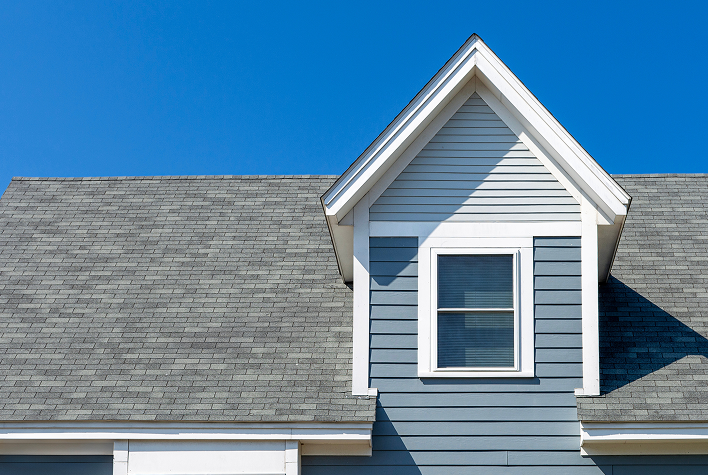
Roof pitch and design significantly affect repair costs due to accessibility and complexity. High-pitch (steeper) roofs are more difficult to navigate, requiring extra safety equipment and time, which increases labor costs. Similarly, complex designs with valleys, ridges, or dormers add to the challenge, requiring more skill and materials. Steep or intricate roofs also result in more material waste due to the need for precise cutting. In short, higher pitches and complex designs drive up both labor and material costs for repairs.
Labor
Labor costs for roof repairs depend on the material, roof complexity, and extent of the damage. Features like complex designs, steep slopes, and skylights can drive up these costs.
Basically, the longer the repair takes, the higher the labor charges. Roofers typically charge between $35 and $90 per hour for their repair services.
In addition to the most common ones above, let’s explore other cost factors that could impact your roof fixing price.
Time of Year
During peak roofing season in spring and summer, costs are higher due to increased demand. In the off-season, like fall or mild winters, you can get a 10-15% discount. Winter repairs are generally more expensive because snow and ice make the work riskier, potentially increasing costs by up to 100%.
Warranties
Roof warranties can influence repair costs by determining what is covered. A non-prorated warranty covers the full repair costs for a set period, helping to lower your expenses. On the other hand, prorated warranties cover less as time goes on, increasing your out-of-pocket costs. Additionally, exclusions, such as damage from natural disasters, can also affect repair expenses, making it an important factor to consider.
Location
Location plays a major role in roof repair costs because of factors like climate, local labor rates, material availability, and regional regulations.
In areas with extreme weather (such as heavy snow, storms, or intense heat), more durable materials and specialized labor may be needed, driving up costs.
Urban areas often have higher labor rates and permit fees than rural locations. Additionally, material costs can vary based on how close you are to suppliers or distribution centers.
Permits
Permits can greatly affect roof repair costs, as many regions require them to ensure the work meets local building codes and safety standards. Fees typically range from $100 to $500, depending on your location and the scope of the repairs.
Skipping permits can lead to fines, delays, or even a shutdown of the project, so it’s always best to check with your local authorities first.
Roof Features
Roof features like chimneys, skylights, dormers, valleys, and vents can significantly increase repair costs. These elements add complexity, requiring extra labor and materials to work around or integrate into the repairs.
Simply put, the more features a roof has, the more time, effort, and materials will be needed, which will increase the overall cost.
To reduce roof repair costs, here are some practical and effective money-saving tips for you:
Regular Maintenance:
Routine inspections and cleaning can help identify minor issues before they escalate into costly repairs.
Timely Repairs:
Address any damage, such as leaks or missing shingles, immediately to prevent further deterioration.
Choose Quality Materials:
Investing in durable materials like impact-resistant shingles or metal roofing can reduce long-term costs.
Insurance and Warranties:
Utilize your homeowner’s insurance and any roofing warranties.
Schedule Off-Season Repairs:
Roofing companies may offer discounts during their off-peak seasons.
Check for Local Grants or Rebates:
Some areas provide incentives for energy-efficient roofing or storm damage repairs.
DIY Minor Repairs:
Handle simple tasks like cleaning gutters, replacing a few shingles, or fixing small leaks yourself if you have the skills.
Get Multiple Quotes:
Compare contractors for the best value.
Should You Repair Your Roof Yourself or Hire a Professional?
DIY repairs can help you save money and offer flexibility, but come with risks like safety hazards, lack of expertise, and the potential to void warranties. Mistakes can lead to further damage and increased costs.
Professionals bring experience, safety equipment, and quality workmanship, ensuring repairs meet industry standards. While hiring a professional is more expensive, it often provides peace of mind and long-lasting results.
DIY is fine for minor issues if you have experience, while complex repairs should be left to professionals.
How to Hire a Professional?
To hire a professional roofer, start by getting referrals from friends or family. Look into each contractor to confirm they are licensed, insured, and have good online reviews.
You can also set up meetings with potential roofers to go over the project, ask questions, and get references.
Make sure to get several quotes, but don’t choose solely based on price – prioritize quality and trust. Your contract must outline all details, like materials, payment, and warranties.
Furthermore, you can use a tool like HomeBuddy to quickly find a professional local roofer who can answer your project-related questions and even offer a free quote.
The average roof repair estimate ranges from $150 to $8,000, depending on factors like the type of repair, roofing material, roof size, design, and labor.
While you can save money by DIYing, it’s best to hire a professional for the job to ensure it’s done safely and correctly, avoiding future costly repairs. You can always use a tool like HomeBuddy to find a local roofing contractor and even get a free estimate.
Frequently Asked Questions
How do I know if my roof needs replacing?
Signs your roof needs replacing include missing, curled, or cracked shingles, leaks or water damage inside, sagging roofline, moss or mold growth, granules in gutters, and a roof age of 20+ years. A professional inspection can confirm the roof’s condition.
What are signs you need a roof repair?
Signs you need a roof repair include missing or damaged shingles, water stains on ceilings or walls, leaks, sagging roof areas, increased energy bills, mold or moss growth, and granules in gutters. Prompt repair can prevent more extensive damage.
How long does a roof last?
A roof’s lifespan varies by material – asphalt shingles last 15-30 years, wood shingles 20-40 years, metal roofs 40-70 years, and clay or slate tiles can exceed 50 years. Regular maintenance and weather conditions also impact longevity.
Does homeowners insurance cover roof repairs?
Homeowners insurance typically covers roof repairs if the damage is due to sudden, accidental events like storms, fire, or vandalism. It usually doesn’t cover damage from general wear and tear, neglect, or poor maintenance. Be sure to review your policy for detailed coverage information.
What are the benefits of repairing a roof?
Repairing your roof offers several benefits, such as extending its lifespan, improving energy efficiency, enhancing your home’s curb appeal, preventing further property damage, and saving on future costly repairs. Timely repairs can also keep you and your family safe from hazards like mold growth and leaks.