
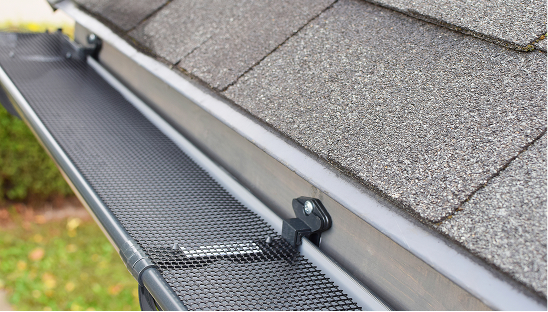
LeafFilter Cost
LeafFilter is one of the most popular gutter protection systems, but the pricing isn’t always straightforward. Costs can vary depending on your home, your existing gutters, and the complexity of the installation.


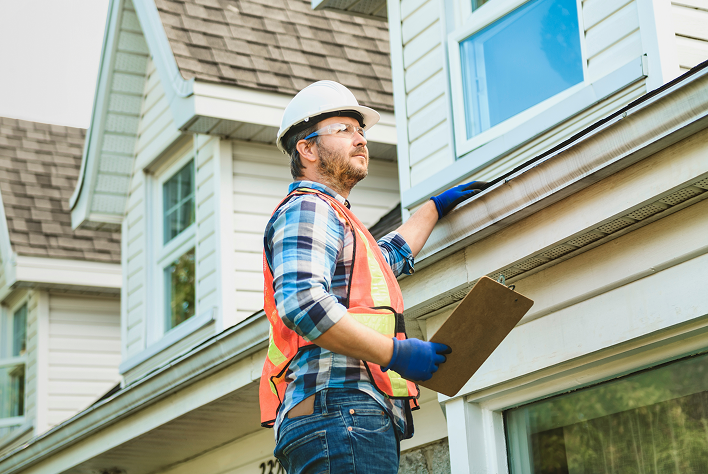
Let’s look at the factors that affect the cost of copper gutters so you can budget more accurately.
Copper isn’t the only cost. A large part of the cost to install copper gutters comes from labor. Since copper requires skilled installation and careful handling, it costs more to install than vinyl or aluminum.
Labor for copper gutter installation usually falls between $10 and $20 per linear foot, depending on where you live and how complex the job is. In many cases, labor makes up 40% to 60% of the total cost of copper gutters.
Copper is heavier than aluminum and has to be handled carefully to avoid dents. The seams are typically soldered, not snapped together, which takes skill, specialized tools, and more time. Contractors also need precise measurements and proper sealing to prevent leaks, and mistakes can be expensive.
That’s a big reason copper costs more. When comparing copper gutters vs aluminum, aluminum is quicker and easier to install, which keeps labor costs lower.
If you're comparing materials, you can also review HomeBuddy’s gutter cost guides to compare copper with aluminum and other gutter options.
| Features | Copper Gutters | Aluminum Gutters |
|---|---|---|
| Installed Cost | $25 - $45 per foot | $8 - $20 per foot |
| Lifespan | 50 - 100 years | 20 - 30 years |
| Maintenance | Low (naturally corrosion-resistant) | Moderate (can dent, rust, or warp) |
| Appearance | Develops elegant green patina | Painted finish, may fade |
Copper gutters are not installed the same way as vinyl or aluminum systems. While some homeowners consider DIY installation to save on labor, copper requires precision, specialized tools, and experience working at height.
Before deciding, it’s important to understand what’s involved and what mistakes could cost you more in the long run.
Technically, you can install copper gutters yourself, but for most homeowners, it’s not a great idea.
Copper systems aren’t snap-together like aluminum. The seams are usually soldered, which means working with a torch and handling the material carefully to avoid dents or leaks. Even small mistakes can get expensive fast.
Copper is also heavier and harder to manage on a ladder, and if the slope isn’t set correctly, you could end up with standing water that shortens the system’s lifespan.
DIY might seem like a way to lower the cost of installing copper gutters, but one error can wipe out those savings. With copper’s high upfront price, hiring a pro is usually the safer long-term move.
Copper gutters typically last 50 to 100 years when properly installed. They don’t rust like steel. Instead, they develop a natural protective patina that helps prevent corrosion and can outlast aluminum by decades. With basic maintenance and correct installation, they can outlast most roofing materials.
Copper gutters typically last 50 to 100 years when properly installed. They don’t rust like steel. Instead, they develop a natural protective patina and can outlast aluminum by decades. Instead, they form a natural protective patina that helps prevent corrosion. With basic maintenance and correct installation, they can outlast most roofing materials.
Copper gutters typically begin to darken within a few months of installation. The full green patina usually develops in 10 to 20 years, depending on climate and exposure to moisture. Homes in humid, rainy, or coastal areas will see the green color form faster, while dry climates slow the process.
Many homeowners ask, are copper gutters worth it, given the higher upfront price. They can last 50 to 100 years, resist rust, and require less replacement over time compared to aluminum. If you plan to stay in your home long-term or want a premium exterior finish, copper is often a smart investment.
Yes, copper gutters can increase home value by boosting curb appeal and signaling a premium, long-lasting upgrade. While they won’t dramatically raise appraisal value alone, they can make your home more attractive to buyers, especially in higher-end markets.